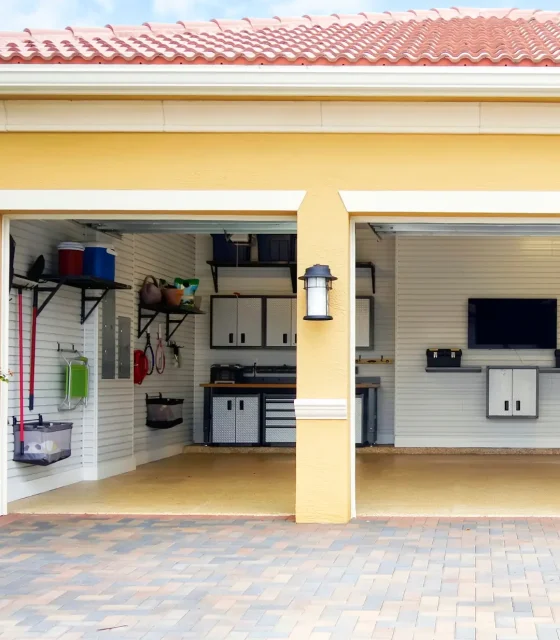
As families grow and needs change, many homeowners look for ways to create extra space without moving. Garage conversions are often the first idea, since the structure is already there and it feels like the most cost-effective path forward.
In Victoria, converting a garage into a habitable room almost always requires a building permit, and in some cases, council planning permission too. Understanding the difference between these two approval types and knowing when you need each is the first step to doing the project properly.
The Critical Difference: Planning vs. Building Permits
These are two separate hurdles, and confusing them is one of the most common mistakes homeowners make.
Planning permission comes from your local council, including Wyndham, Hobsons Bay, Maribyrnong, and others. It deals with how the land is used and how changes affect the neighbourhood, including things like parking, setbacks, and streetscape.
A building permit comes from a Registered Building Surveyor. It deals with safety, structure, and compliance with the National Construction Code (NCC). This is the approval you will almost certainly need, regardless of whether council planning approval is also required.
Why You Almost Certainly Need a Building Permit
In the eyes of the law, a garage is a “Class 10a” non-habitable building. A bedroom or living area is a “Class 1a” habitable building. Changing a space from one class to another triggers the need for a building permit, because the standards required to keep people safe in a living environment are significantly higher than those for a parking structure.
Most standard garages fail to meet habitable room requirements in several key areas:
- Waterproofing: Garages are typically single-brick with no moisture barrier. A habitable room must be fully waterproofed to prevent rising damp and mould.
- Energy rating: Walls and ceiling must be insulated to meet current 6 or 7-star energy requirements. The concrete slab will likely need a moisture membrane and insulation before flooring can be laid.
- Ceiling height: This is the most common deal-breaker. A habitable room must have a minimum ceiling height of 2.4 metres. Many garages fall short of this.
When You Might Also Need Planning Permission
While the building permit is about safety, planning permission is often about parking. If your property title requires two car spaces and you convert the garage into a bedroom, you are technically removing those spaces.
Local councils across Melbourne take on-street parking seriously. If you cannot demonstrate that the required number of vehicles can still park on your driveway behind the building line, the council may refuse the application. This is particularly common in newer estates where street widths are narrow and on-site parking is more tightly controlled.
A Real Example: The Werribee Studio Conversion
We recently consulted on a project in Werribee where the owner wanted to convert a double garage into a studio apartment for a family member. The ceiling height was sufficient, but the floor level presented an unexpected challenge.
Garage floors are typically sloped toward the door to let water run out. To make the space liveable, we levelled the floor using a self-levelling compound, which raised the floor height by 50mm. That small change then reduced the ceiling clearance and had to be carefully managed against the minimum height requirements.
On top of that, replacing the roller door with a window required brickwork that matched the existing facade, as a condition of the council approval to maintain the streetscape aesthetic. These are the kinds of compounding details that make professional guidance worthwhile from the start.
Is a Garage Conversion Cheaper Than an Extension?
Generally, yes. Because the foundation, walls, and roof are already in place, you are not paying for excavation, framing, or roofing from scratch. That makes conversions a more cost-effective starting point than a ground-floor addition.
However, the hidden costs can add up quickly. Termite protection on the existing slab may not meet the standard required for a living zone. The switchboard may need upgrading to handle new heating or cooling loads. And if you are adding an ensuite, cutting into a concrete slab to run waste pipes is a significant labour cost in itself. Budget for these items early, not as afterthoughts.
Making the Right Choice for Your Property
Before you buy a single sheet of plasterboard, check your property title and speak to a professional. An illegal conversion is a genuine liability that can void your home insurance and create serious complications when selling, since Section 32 vendor statements require disclosure of all building works.
Done correctly, a garage conversion adds real value and functionality. It lets you stay in the neighbourhood you love while adapting your home to meet changing needs, whether that is a teenage retreat, a home office, or a space for ageing parents.
Frequently Asked Questions
How much does a garage conversion cost in Melbourne?
Costs vary significantly depending on the size, condition, and intended use of the space. A basic conversion into a single room typically starts from around $20,000–$50,000, while a more complex project including an ensuite, kitchen fit-out, or structural changes can be considerably more. The best way to understand your specific costs is to get a proper assessment of the existing structure.
Does a garage conversion add value to my home?
In most cases, yes, particularly when the conversion creates a fully self-contained space or an additional bedroom that is counted in the property listing. The key is ensuring all work is permitted and compliant, as unpermitted conversions can actually reduce buyer confidence and complicate valuations.
Can I convert a garage into a granny flat?
This is possible on many properties, but it depends on your lot size, zoning, and whether the existing structure can meet the additional requirements for a self-contained dwelling. It typically involves both planning permission and a building permit and is a project where professional guidance is strongly recommended.
Ready to transform your space without the stress?
Book a free consultation with our team or visit our Experience Centre in Laverton North to see the quality of our work for yourself.
This article is for general information only. Construction requirements, council permits, and costs vary based on your specific site and circumstances. Please consult with the Radevo Living team for a detailed project assessment.